

The future of electric vehicle battery orientation will be the world of hydrogen fuel-powered lithium batteries
Not long ago, Zhangjiakou City recently delivered 25 12-meter hydrogen fuel-powered lithium battery buses with a hydrogen refueling time of 10 to 15 minutes and a cruising range of 500 kilometers. In terms of hydrogen energy utilization, Japan is at the forefront of the world. Toyota has mass-produced Mirai Future Combination`s first hydrogen-powered lithium battery car, and Honda has also launched Clarity, which has a 3-minute hydrogenation battery life of 750 kilometers.
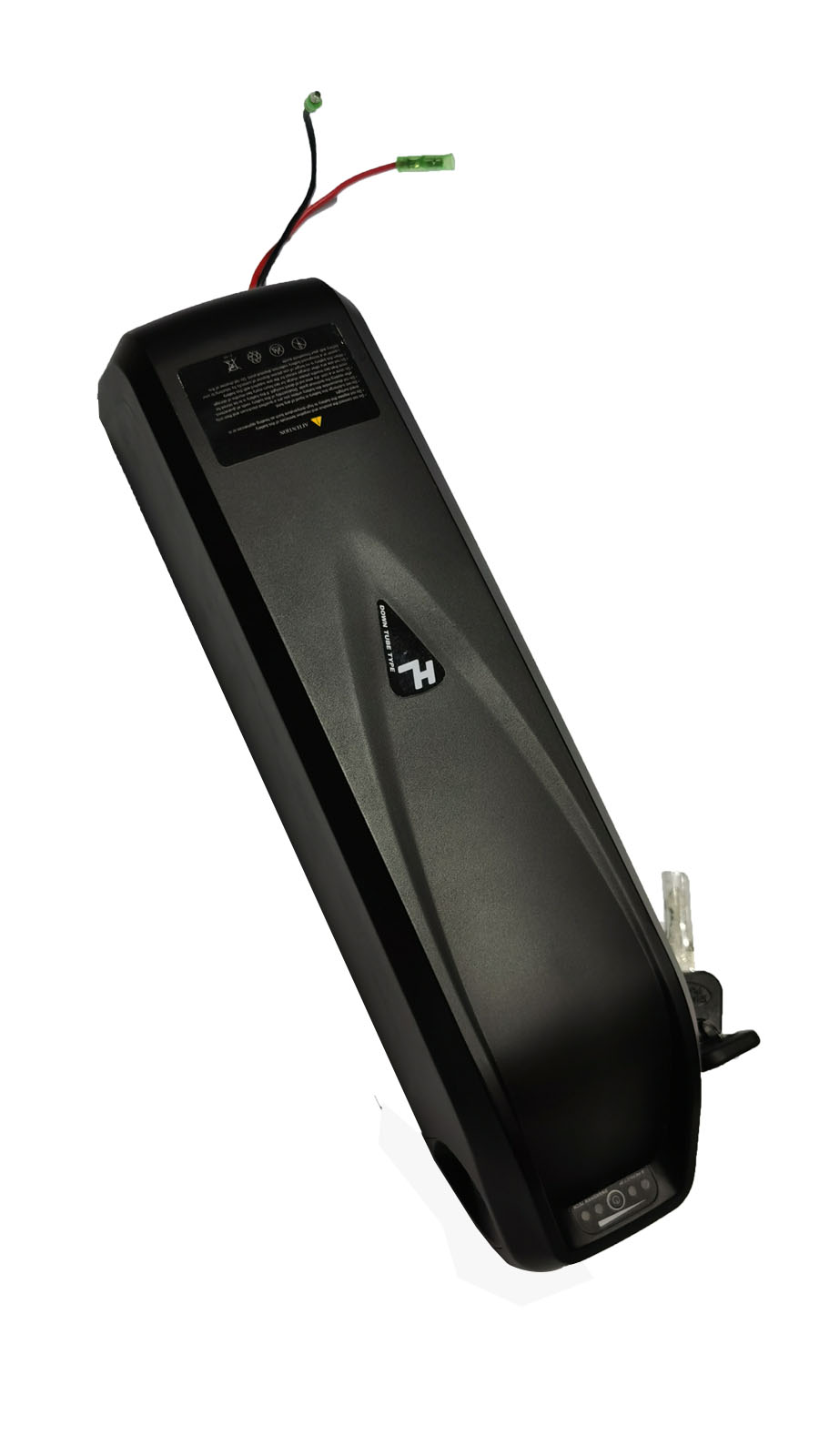
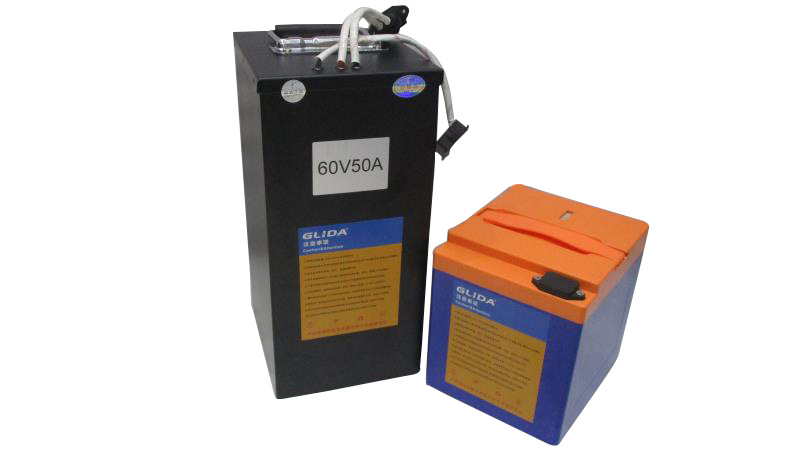
Therefore, from the perspective of experiencing and coping with range anxiety, hydrogen fuel-powered lithium batteries have absolute advantages. The product of hydrogen fuel-powered lithium batteries is water, which is almost pollution-free.
Then why is the lithium battery powered by hydrogen not widely used? Lithium batteries powered by hydrogen fuel are expensive and cannot be commercialized at present. In terms of core technology, so far, there are only two companies in the core components of fuel-powered lithium batteries, namely DuPont in the United States and a company in Japan. In addition, platinum catalysts used in fuel-powered lithium batteries are low in yield and expensive, almost twice that of gold. The complex power system of fuel-powered lithium batteries leads to high processing costs. Take Toyota Mirai's future portfolio as an example. The price is as high as US$69,000, which is much higher than the price of models of the same level.In addition, the cost of building a hydrogen refueling station is also very high. Data shows that building a hydrogen refueling station with a hydrogen refueling capacity of more than 200 kg will cost more than 10 million yuan, which is one of the reasons why hydrogen fuel-powered lithium batteries cannot be commercialized on a large scale.
Finally, there are security issues. Lithium batteries powered by hydrogen fuel require a complete hydrogen energy processing and transportation network as support. The safety of hydrogen raw materials and the safe operation of hydrogen fuel filling are issues that need to be addressed. This is also the reason why hydrogen fuel-powered lithium batteries are still not optimistic under the strong support of national policies. Of course, with the advancement of technology, the shackles tied to hydrogen fuel-powered lithium batteries will eventually be lifted, and the capital market is more optimistic about hydrogen fuel-powered lithium batteries, so it will not be too late.
As for whether the future will be an electric vehicle or a hydrogen fuel vehicle, it is actually difficult to tell who has the more mature technology, who is more suitable for future policies and market needs, and whose advantage should be higher.